
You try on jeans, and the waistband digs in at exactly the wrong spot. It’s not your body that’s the problem. It’s the cut.
If you’re wondering how to dress when you carry weight in the midsection, you’re not alone. Clothes cling, roll, pull at the buttons, or ride up all day. The usual advice is to hide in oversized clothes, but that often backfires. Baggy fabric adds bulk and hides your shape.
Here’s the good news. A few small choices fix most of it. You can find the right waistband, top length, dress shape, and fabric without buying a whole new wardrobe.
In this guide, you’ll learn five fit rules, the best bottoms, tops, and layers, and dress shapes that work. You’ll also learn how color and shapewear fit in. Whether you have an apron belly or just want easy outfits for belly fat, you’ll find simple fixes to use today. There’s also a short section for men.
One note: this is styling advice, not medical advice, and there’s no single rule that fits every body.
5 Fit Rules That Matter Most When You Carry Weight in Your Midsection

Most outfit problems start with fit, not with your body. Get these five rules right first, and everything else gets easier.
- Let fabric skim, not cling. Good fabric floats over your stomach. If it grabs and outlines every curve, it’s the wrong pick.
- Avoid both extremes. Very tight clothes pull and cling. Very loose clothes hang from the widest point and add bulk. Aim for the middle.
- Fit the widest part first. Buy the size that fits your belly comfortably. Then ask a tailor to take in the waist or hem. It’s easier to take in than to let out.
- Watch for pull lines. Horizontal wrinkles across the front or gaping buttons mean the piece is too small in that spot. Size up or switch styles.
- Buy for the body you have now. Clothes you plan to fit into later won’t feel good today. You deserve outfits that work this week.
How to Choose Jeans and Pants for a Belly (Get the Rise Right)
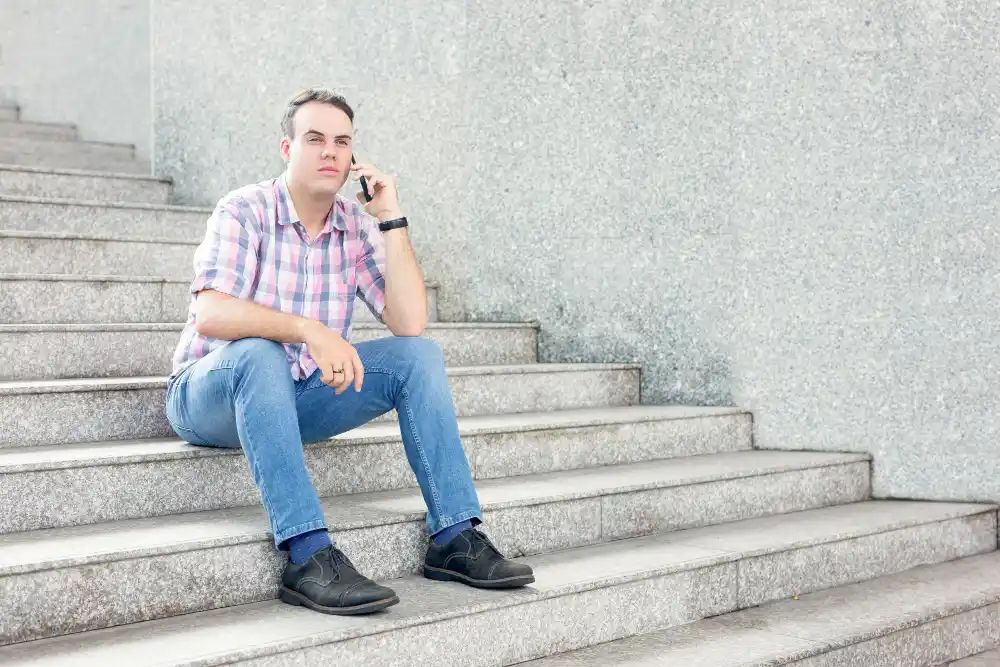
The waistband is where most outfits fail. It digs in, rolls down, or sits right across the softest part of your belly.
Here’s the fix. Choose a waistband that sits at or just above your natural waist. That’s the narrowest part of your torso, so the fabric has a place to rest.
“Rise” is the distance from the crotch seam to the top of the waistband. This quick guide shows where each type usually sits.
Rise numbers vary by brand. Check the product details and always try them on.
Here’s what to look for:
- Stretch with structure. Soft stretch moves with you, and firm fabric keeps a smooth line.
- A wide, flat waistband. Thin bands tend to dig in.
- A dark or even wash. It looks smooth from every angle.
- Straight or wide leg shapes. They balance a fuller middle. Wide leg and barrel pants are also popular right now.
And here’s what to skip. Paper thin stretchy jeans show every line. Very low rise styles let the belly spill over the band.
Try this today: Sit down in the fitting room. If the band digs in when you sit, size up or pick another cut. If you have to hold your breath to button them, they’re not the ones.
Which Tops and Layers Work Best (and Should You Tuck?)

Once your bottoms sit right, your top is next. The goal is simple. You want fabric that skims over your stomach and doesn’t cling to it.
These tops work well:
- Wrap tops. They create a waist and adjust to your shape.
- Peplum tops. Choose a soft, modern version that flares gently, not a stiff, shelf-like one.
- Tunics. A longer length covers the belly and pairs well with slim pants.
- Flowy tops with some structure. Fabric with a little weight falls better than thin, floaty fabric.
Skip cropped and clingy tops. They pull up and draw the eye right to the middle.
Should You Tuck In Your Top?
A full tuck creates a straight line across the widest part of your body. That’s why most people look and feel better with a lighter touch.
Add a Third Layer
Layers are the easiest upgrade. An open layer creates two vertical lines down your front. Those lines break up the middle and make your torso look longer.
Try one of these over a tank, tee, or bodysuit:
- A long cardigan
- A longline blazer
- A lightweight coat
- A kimono or long vest
Aim for a length between mid thigh and knee. Choose fabrics that drape and hold some shape. Bulky knits add volume, so leave those for cold days.
Try this today: Pair a fitted tank with a front tuck, then add an open blazer. It works with jeans, trousers, or a skirt.
Best Dresses for an Apron Belly and Fuller Midsection (Plus 3 Outfit Formulas)

A dress is one piece with no matching needed. That makes it a great shortcut. But the shape matters a lot.
Straight column dresses cling to the stomach. Instead, choose a shape that starts fitted up top and then releases over the belly.
3 Dress Shapes to Try First
- Wrap or faux wrap. It creates a waist and adjusts when your size changes. Look for a longer wrap front, with the tie just above your natural waist.
- A line or fit and flare. It skims out from the waist and moves as you walk.
- Empire waist. The seam sits just under the bust, and the fabric flows loosely over the stomach.
If you have an apron belly, these shapes work especially well because the skirt floats away from the lower belly instead of hugging it.
Fabric is just as important as shape:
- Choose medium weight, draped fabrics. Viscose, cotton blends, and soft linen fall smoothly.
- Avoid very thin fabric. It clings and shows every line.
- Look for tiers, smocking, or gentle ruching. These details break up the surface so the eye keeps moving.
- Pick a V neck or scoop neck. It draws the eye up.
- Go for midi or ankle length. It elongates the whole look.
3 Easy Outfit Formulas to Copy Today
| Occasion | Formula |
|---|---|
| Casual | Flowy top + A line skirt, or a front tucked tee + mid rise stretch jeans |
| Work | Structured blazer + high waisted trousers + a simple top |
| Dressy | Wrap or A line midi dress + a supportive bodysuit underneath |
Color, Prints, and Shapewear: What Helps and What Is a Myth
Do dark colors really slim? Sort of. Research on how people see clothing gives mixed results, and the effects are small. Fit and cut matter far more than color.
Still, color can be a helpful bonus. Try these ideas:
- Darker on top, lighter or printed on the bottom. This moves attention down and away from the middle.
- Small to medium prints or flowing patterns. They keep the eye moving.
- Bright colors near your face. They draw the eye up.
Treat these as options, not rules. If you love a color, wear it.
| Myth | What’s true | What to do |
|---|---|---|
| Black hides everything | Black can look smooth, but clingy black shows every line | Pick dark colors in a structured fabric |
| Horizontal stripes always add width | Findings are mixed, and the effect is small | Wear them if you love them, in a soft fabric that skims |
| Oversized clothes hide a belly | Extra fabric adds bulk | Choose pieces that skim your shape |
| Loud prints distract the eye | Huge prints can add volume | Choose small to medium prints |
Is Shapewear Worth It?
Shapewear is optional, not required. Some people love how it smooths a bodycon dress or a wrap dress. Others skip it completely. Both are fine.
If you want to try it, here’s what to look for:
- A seamless design. No edges means no lines under your clothes.
- A piece that reaches above your waistline. It stops the roll at the top.
- Breathable fabric. You’ll wear it for hours.
- Soft, comfortable edges.
- Medium compression. It’s easier to wear all day, and it works well under wrap dresses.
Skip anything that makes it hard to sit or breathe. A supportive, well fitting bra also helps balance your shape. It lifts your top half and makes the whole outfit look more even.
How Men Should Dress With a Belly: 6 Simple Rules
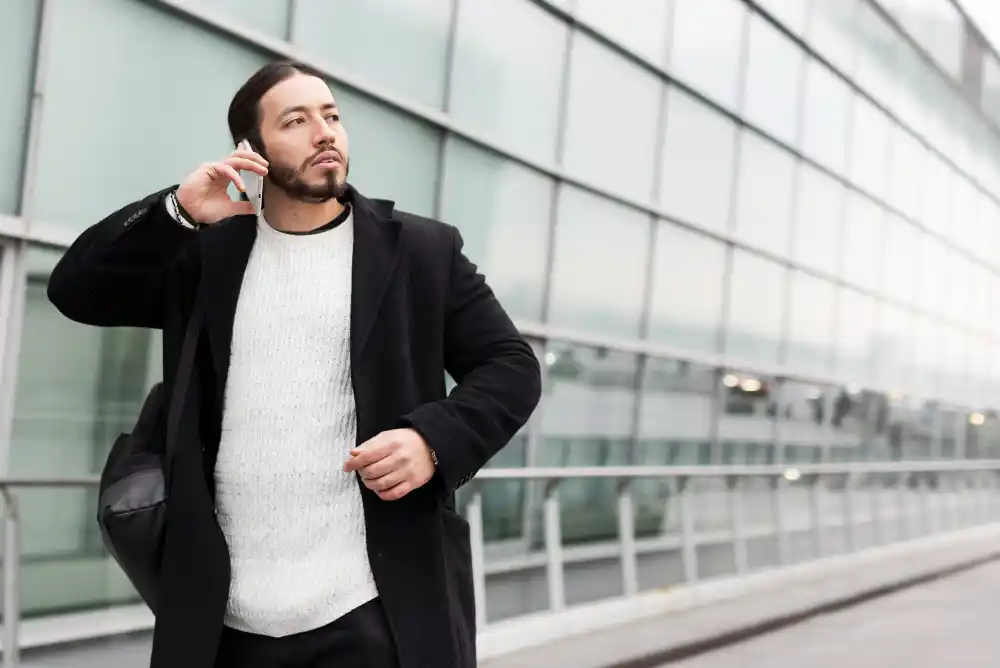
Guys often have it harder because stores rarely offer advice on this. The good news is that the fixes are simple.
- Fit the shoulders, then relax through the middle. A shirt should sit clean on the shoulders and have a little room around the belly.
- Skip skinny fits and very loose shirts. Slim shirts pull at the buttons. Very loose shirts hang wide and make you look bigger.
- Try an untucked shirt with a straight hem. Side vents help it hang smoothly.
- Check your hem length. A good range is between the middle of your zipper and the bottom of your pockets. Test it in a mirror. The hem should cover your belt and not look like a dress.
- Go darker on top and lighter on the bottom. It creates a more even look.
- Choose stretch fabric and a mid rise. Low rise pants let the belly hang over the belt. Stretch keeps things comfortable when you sit.
Your Next Step: Fix One Thing This Week
You don’t need a new body or a new wardrobe. You need a few better fits.
Start with the basics. Choose fabric that skims, a waistband at your natural waist, and a front tuck or open layer. Add a wrap, A line, or empire dress when you want an easy outfit. Use color and shapewear only if they make you feel good.
Dressing well is about fit and proportion, not hiding. Once you know how to dress when you carry weight in the midsection, getting ready gets faster and easier.
Your challenge: Pick one item to fix this week. It could be your jeans, your go to top, or one dress. Then tell us in the comments which part of your outfit gives you the most trouble.